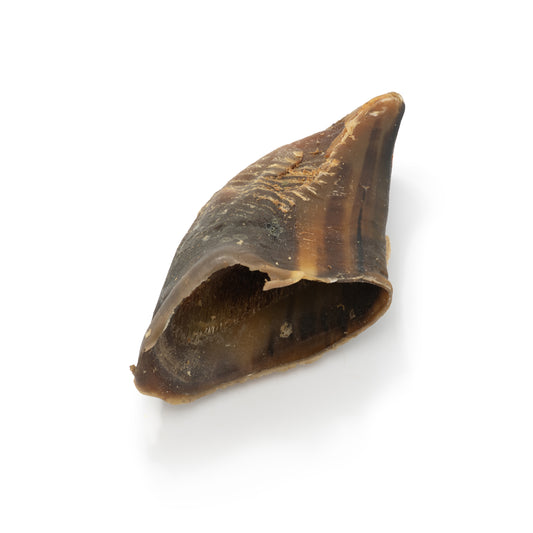
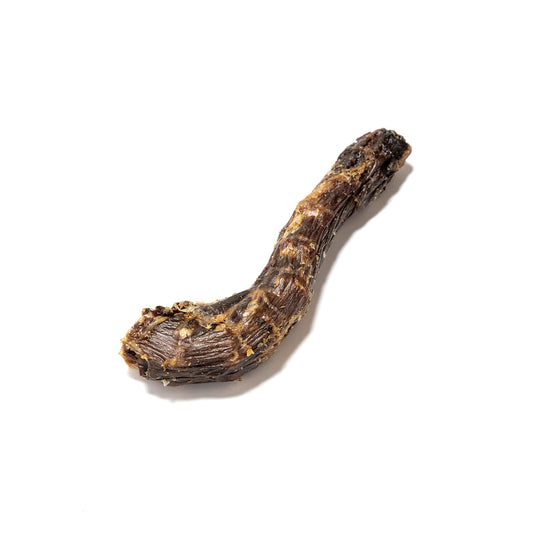
Fireworks season can be an exciting time for us, but for our four-legged family members, the sudden bangs, whistles and bright flashes can be frightening. Whether it's Bonfire Night, New Year's Eve or an unexpected neighbourhood display, fireworks can leave even the most confident dogs feeling unsettled.
If your dog hides under the bed, trembles at every bang or refuses to go outside, you're certainly not alone. Many dogs experience fear around loud, unpredictable noises, and knowing how to support them can make a real difference.
The good news? With a little preparation, a reassuring environment and the right approach, you can help your dog feel safer and more comfortable throughout fireworks season.
In this guide, we'll explore how to recognise signs of fireworks anxiety in dogs, prepare your home, keep your dog calm on the night and build positive associations with loud noises. We'll also share some simple ways to make the evening more enjoyable, including using appropriate natural treats and enrichment activities.
Why Are Dogs Afraid of Fireworks?
Dogs experience the world differently from humans. Their hearing is particularly sensitive, making sudden, loud and unpredictable noises potentially overwhelming.
Unlike everyday household sounds, fireworks can produce unexpected bangs, whistles and crackles, often accompanied by bright flashes of light. Dogs also have no way of understanding why these noises are happening or when they will stop.
For some dogs, the experience may cause mild uneasiness. For others, it can trigger a significant fear response.
Several factors can contribute to fireworks anxiety, including:
- Sensitive hearing: Dogs can be particularly responsive to high-pitched and sudden sounds.
- Unpredictability: Fireworks happen without warning, making it difficult for dogs to anticipate or prepare for them.
- Previous experiences: A frightening experience with fireworks or another loud noise can contribute to future anxiety.
- Individual temperament: Some dogs are naturally more sensitive to environmental changes and unfamiliar sounds.
- Age and health: Puppies may be unfamiliar with fireworks, while older dogs or those experiencing discomfort may find stressful situations harder to manage.
It's important to remember that fireworks anxiety isn't bad behaviour. Your dog isn't being difficult or disobedient; they're responding to something they perceive as threatening.
Understanding this is the first step towards helping them feel safe.
7 Signs Your Dog Is Scared of Fireworks
Not every dog reacts to fireworks in the same way. While some display obvious signs of distress, others may show more subtle changes in their behaviour.
Recognising these early signs can help you respond before your dog's anxiety escalates.
Here are seven common signs to look out for:
1. Trembling or shaking
Your dog may begin shaking, trembling or crouching low to the ground when they hear fireworks. This can be a physical response to fear and stress.
2. Hiding or seeking shelter
Some dogs instinctively look for somewhere they feel protected, such as under a bed, behind the sofa or inside a wardrobe.
3. Excessive barking or whining
Repeated barking, whining, howling or crying may indicate that your dog is struggling to cope with the noise.
4. Panting and excessive drooling
If your dog starts panting heavily or drooling despite not being hot or physically active, it could be a sign of stress.
5. Pacing and restlessness
Walking repeatedly around the room, struggling to settle or constantly looking towards doors and windows can indicate that your dog feels unsettled.
6. Changes in appetite
Some dogs may refuse their favourite food or treats when they're particularly frightened. This can be an important indication of how overwhelmed they feel.
7. Trying to escape
In more severe cases, dogs may scratch at doors, jump at windows or attempt to run away from the source of the noise.
Every dog is different, so pay attention to changes in your own dog's normal behaviour. If their fear is severe, persistent or getting worse, speak to your vet.
How to Prepare Your Dog for Fireworks Season
One of the best ways to help your dog cope with fireworks is to prepare before the celebrations begin.
Rather than waiting until the first bang, introducing small changes to your dog's routine and environment in advance can help them feel more secure.
1. Create a Safe and Comfortable Space
Every dog should have somewhere they can retreat to when they feel overwhelmed.
Choose a quiet area of your home, away from windows and external doors, where your dog can relax without being disturbed.
You could create a cosy den using:
- Their favourite bed or soft blanket.
- Familiar toys that provide comfort.
- An old item of clothing carrying your scent.
- Curtains or blankets to reduce flashes of light.
- Access to fresh drinking water.
If your dog already has a favourite hiding place, consider making it more comfortable rather than introducing somewhere completely unfamiliar.
Allow them to explore the space at their own pace. Never force your dog into a crate or den if they don't want to use it.
The aim is to create a familiar environment where they can feel safe and in control.
2. Introduce Background Noise
Fireworks can sound particularly startling when the house is otherwise quiet.
Playing the television, radio or calming music at a comfortable volume can help mask some of the sudden bangs outside.
Classical music or specially created calming playlists may be worth trying, but every dog has different preferences.
Introduce background sounds before fireworks begin so your dog has time to become familiar with them.
3. Make Sure Your Dog Is Microchipped
Unfortunately, frightened dogs can sometimes bolt or escape when they hear unexpected fireworks.
Make sure your dog's microchip details are registered and up to date, including your current contact information.
It's also sensible to ensure your dog wears a properly fitted collar with an identification tag.
Check that garden gates, fences, doors and windows are secure, particularly during fireworks season.
These small precautions can provide valuable peace of mind.
4. Stock Up on Their Favourite Natural Treats
Positive experiences can help create a more reassuring environment for your dog.
For dogs who remain comfortable enough to eat, suitable treats can be used during calm activities, reward-based training or enrichment games.
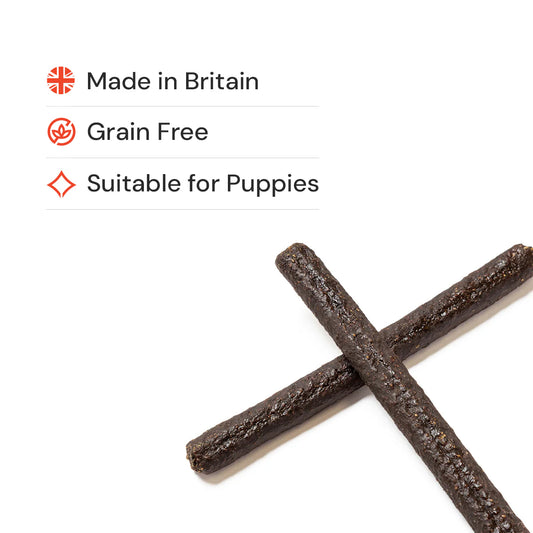
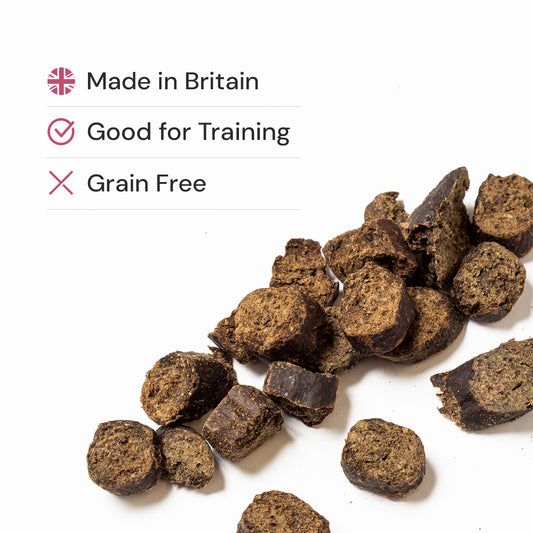
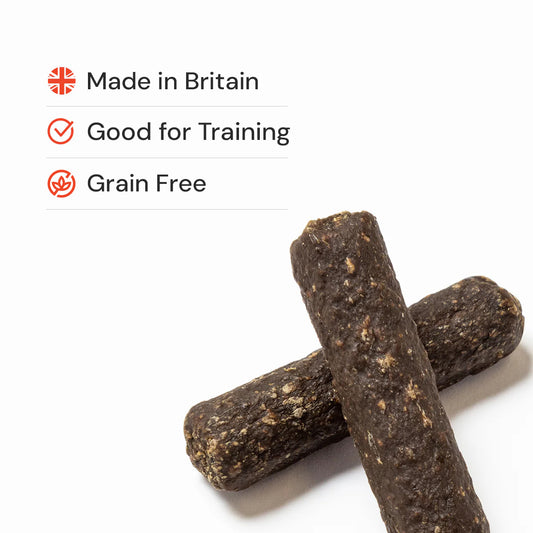
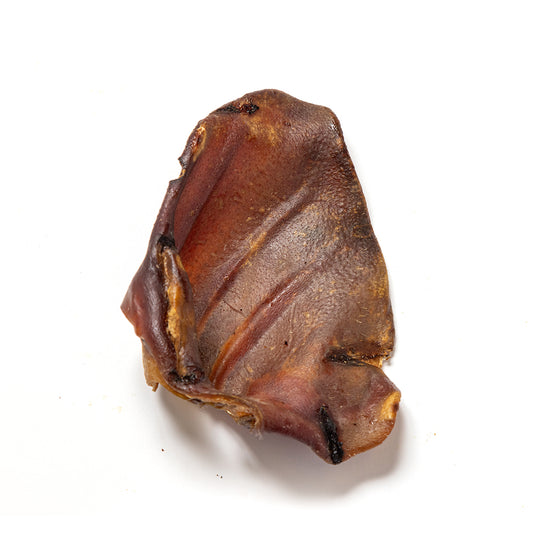
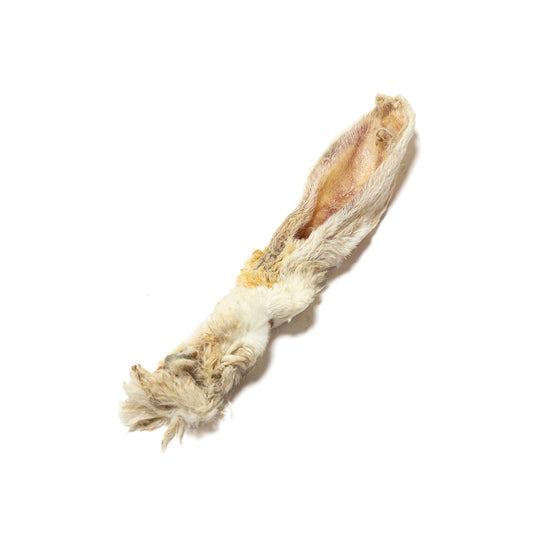
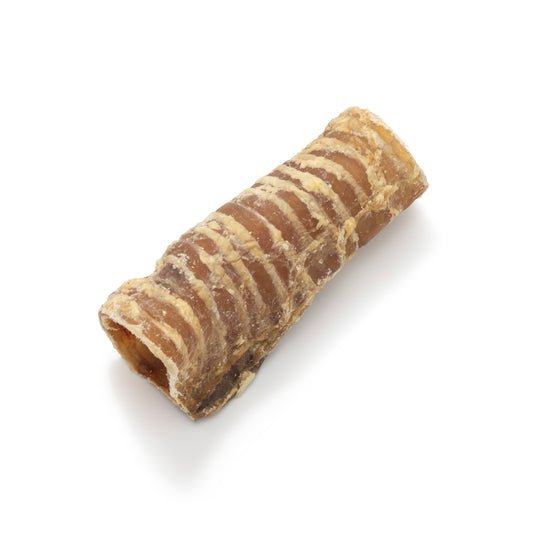
Natural dog treats can be a lovely addition to your dog's routine, offering something enjoyable while you spend quality time together.
Consider choosing treats with simple ingredients and a texture appropriate for your dog's size, age and chewing ability.
At Nutriment Natural Treats, we believe dogs deserve quality treats made with carefully selected ingredients. From everyday rewards to longer-lasting chews, having a selection of suitable favourites available can help make positive moments part of your dog's evening.
A little tip: If your dog is happy to engage, try offering a suitable chew or a small treat during a relaxed activity before fireworks begin. However, never force food or play when your dog is frightened. If they refuse a treat, give them space and prioritise their comfort.
What to Do on Fireworks Night: Your Step-by-Step Survival Guide
Once fireworks start, your priority should be making your dog feel safe.
Here is a simple checklist to help you prepare.
Before It Gets Dark
Take your dog for an early walk.
Plan your dog's main walk while it's still light, before fireworks are likely to begin.
Keep your dog on a lead, even if they usually have excellent recall. Unexpected bangs can startle even the most obedient dogs.
Make sure they have had an opportunity to go to the toilet before settling in for the evening.
Feed them at their usual time.
Try to maintain your dog's normal feeding routine rather than making unnecessary changes.
If your dog becomes anxious around fireworks, they may be less interested in food later in the evening.
Prepare their safe space.
Make sure their bed, blankets, water and favourite toys are ready.
Secure your home and garden.
Check doors, windows, gates and fences. Avoid leaving your dog unattended outside.
When Fireworks Begin
Close the curtains and windows.
This helps reduce flashing lights and muffle some of the noise.
Put on the television or music.
Use familiar background sounds at a comfortable volume to help disguise sudden bangs.
Stay calm and reassuring.
Dogs can respond to changes in their owner's behaviour. Try to act as normally as possible.
If your dog approaches you for reassurance, it's perfectly fine to offer gentle affection. You won't reinforce their fear simply by comforting them.
Let your dog choose where they feel safest.
If they prefer to hide under the bed, behind the sofa or in their den, allow them to do so.
Avoid pulling them out, forcing interaction or insisting they play.
Offer enrichment if they're interested.
If your dog is relaxed enough to engage, a familiar toy, suitable chew or gentle indoor game can provide a welcome distraction.
Don't worry if they aren't interested. Their comfort is more important than keeping them occupied.
After the Fireworks Have Finished
Don't assume everything is over after one display.
Fireworks can continue for several evenings, particularly around Bonfire Night and New Year's Eve.
Keep your dog on a lead during walks, especially if there may still be unexpected fireworks nearby.
Give them time to settle and gradually return to their normal routine.
If they have had a particularly difficult evening, allow them plenty of rest and reassurance.
How to Calm a Dog During Fireworks: 5 Practical Techniques
If your dog is particularly sensitive to loud noises, there are additional ways to support them.
1. Try Gentle Distraction
For dogs who are comfortable enough to participate, familiar activities can help redirect their attention.
You could try:
- A simple indoor scent game.
- Hiding a few suitable treats around a room.
- A familiar food puzzle.
- A favourite soft toy.
- A gentle training activity using positive reinforcement.
Keep activities short and relaxed. Avoid anything that could create additional excitement or pressure.
2. Use Suitable Chews and Treats
Chewing and food-based enrichment can provide an enjoyable activity for some dogs.
A natural chew may be particularly useful when your dog is already settled and happy to engage.
When choosing dog treats, consider:
- Ingredient quality and transparency.
- Your dog's age, size and chewing style.
- Appropriate texture and portion size.
- Any dietary sensitivities or existing health conditions.
- Your dog's overall daily food intake.
Always supervise your dog when they're enjoying a chew, and choose products appropriate for their individual needs.
Remember, treats are not a treatment for fireworks anxiety. They are simply one way to make positive, relaxed moments part of your dog's routine.
3. Consider Calming Products
Some owners find that additional calming products help their dogs during fireworks season.
Options may include pheromone diffusers, which are designed to help create a more reassuring environment.
Their suitability and effectiveness can vary, so speak to your vet before introducing new products, particularly if your dog experiences significant anxiety.
4. Offer Reassurance Without Forcing Interaction
One of the most important things you can do is respond to your dog's individual needs.
Some dogs want to sit close to their owners, while others prefer to retreat somewhere quiet.
Follow their lead.
If they seek affection, offer gentle reassurance. If they want to hide, let them have their space.
Never punish your dog for trembling, barking, hiding or having an accident indoors.
5. Speak to Your Vet if Your Dog Is Particularly Anxious
If your dog experiences severe fireworks anxiety, professional support is important.
Your vet can assess their symptoms, rule out any underlying medical concerns and discuss suitable treatment options.
Depending on your dog's needs, they may recommend a tailored behaviour programme, referral to a qualified clinical animal behaviourist or prescribed medication.
Never give your dog human medication or unprescribed sedatives.
Can You Train Your Dog Not to Be Afraid of Fireworks?
You may not be able to eliminate your dog's fear completely, but gradual training can help some dogs become more comfortable with loud noises.
One commonly recommended approach is desensitisation and counterconditioning.
This involves introducing your dog to recordings of fireworks at a very low volume while creating positive associations with the sound.
Here's how it generally works:
Step 1: Start with a very quiet recording.
Play a fireworks recording at a barely audible volume while your dog is relaxed.
Step 2: Keep sessions short.
Start with just a minute or two, ensuring your dog remains comfortable throughout.
Step 3: Introduce something positive.
You could pair the sound with a favourite activity, gentle play or a suitable treat.
Step 4: Increase the volume gradually.
Only make small increases when your dog is consistently relaxed and comfortable.
Step 5: Go at your dog's pace.
If your dog shows signs of anxiety, stops eating or tries to move away, reduce the volume or stop the session.
The process may take several weeks or months, depending on your dog.
Importantly, this training should ideally be started well before fireworks season. If your dog already has a significant fear of fireworks, seek guidance from your vet or an appropriately qualified behaviourist before attempting it.
Never expose a frightened dog to loud recordings in the hope that they will simply get used to them.
What Not to Do When Your Dog Is Scared of Fireworks
When your dog is frightened, it's natural to want to do everything possible to make them feel better.
However, some well-intentioned actions can unintentionally make the situation more stressful.
Here are five things to avoid:
1. Don't punish fearful behaviour.
Never shout at or punish your dog for barking, hiding, shaking or having an accident indoors.
Fear is not disobedience.
2. Don't force them to go outside.
Avoid taking your dog into the garden or out for a walk while fireworks are going off.
If they need to go outside, wait for a quieter moment and accompany them on a lead.
3. Don't force them to face their fears.
Never make your dog sit near a window or listen to loud fireworks recordings to try to overcome their fear.
Gradual, controlled training is much safer than overwhelming exposure.
4. Don't leave them alone if they are particularly distressed.
Where possible, arrange for someone your dog trusts to stay with them during expected fireworks displays.
5. Don't give human medication or unapproved calming remedies.
Some substances that are safe for humans can be dangerous to dogs.
Always consult your vet before giving your dog medication or introducing new calming products.
How to Make Fireworks Season More Enjoyable for Your Dog
Although fireworks season can be challenging, it doesn't mean every evening has to be stressful.
Small, thoughtful activities can help create a more positive experience for dogs who are comfortable enough to participate.
Here are a few ideas:
Create a cosy evening routine.
Settle down with your dog, put on a familiar film or playlist and spend some quiet time together.
Prepare a treat-filled enrichment toy.
If your dog enjoys food puzzles, use a suitable portion of their usual food or some appropriate natural treats to create a simple enrichment activity.
Introduce a favourite chew.
For dogs who enjoy chewing, a suitable natural chew can provide an engaging activity while you relax together.
Play gentle indoor games.
Try a simple scent game or hide-and-seek activity if your dog is feeling comfortable.
Keep things familiar.
Avoid introducing lots of new activities or changing your dog's routine unnecessarily during a potentially stressful period.
The most important thing is to remember that every dog is different. Some will happily enjoy an enrichment activity, while others will simply want to curl up somewhere quiet.
Both are perfectly okay.
Why Choose Natural Treats for Your Dog?
Your dog's wellbeing is about more than what happens during fireworks season. Everyday nutrition, enrichment and positive experiences all play a part in supporting their overall quality of life.
Choosing good-quality treats is one simple way to be more mindful of what goes into your dog's bowl.
At Nutriment Natural Treats, we understand that dog owners want to make thoughtful choices for their pets.
That's why choosing treats with quality ingredients, clear product information and options to suit different dogs is so important.
Whether you're looking for everyday training rewards, something tasty to add to an enrichment activity or a longer-lasting chew, having the right treats available can help make everyday moments that little bit more enjoyable.
Because the best moments are the little ones we share.
Explore the Nutriment Natural Treats collection and discover natural treats your dog will love.
Frequently Asked Questions About Dogs and Fireworks
Why are dogs scared of fireworks?
Dogs can find fireworks frightening because of their loud, sudden and unpredictable noises, bright flashes and vibrations. Their sensitive hearing can make these sounds particularly overwhelming.
How can I calm my dog during fireworks?
Create a quiet, comfortable safe space, close curtains and windows, play familiar background music and stay nearby if possible. Allow your dog to hide or seek reassurance, depending on their preference. If their anxiety is severe, speak to your vet.
Should I comfort my dog when they are scared of fireworks?
Yes. If your dog seeks affection, you can comfort them with gentle attention. You will not reinforce their fear simply by offering reassurance. However, if they prefer to hide, respect their space.
Should I walk my dog on Bonfire Night?
Yes, but plan their main walk during daylight hours, before fireworks are likely to start. Keep them on a lead, as unexpected fireworks can cause even well-trained dogs to panic.
Can natural dog treats help with fireworks anxiety?
Natural treats can be used as part of positive reinforcement, enrichment and familiar activities. However, they do not treat or cure fireworks anxiety. If your dog is too frightened to eat, don't force them. Seek veterinary advice if their fear is significant.
Can I leave my dog alone during fireworks?
Ideally, avoid leaving a dog who is frightened of fireworks alone. Having someone familiar nearby can provide reassurance. If you know your dog struggles with fireworks, arrange appropriate supervision in advance.
When should I start preparing my dog for fireworks?
Ideally, start several months before fireworks season. Gradual sound desensitisation and behaviour training can take time, particularly for dogs with an existing fear. Speak to your vet or a qualified behaviourist for guidance.
Should I give my dog calming medication for fireworks?
Some dogs benefit from prescribed medication, particularly when their anxiety is severe. Your vet can assess your dog's needs and recommend appropriate options. Never give human medication or unprescribed sedatives.
A Little Preparation Goes a Long Way
Fireworks season doesn't have to be something you and your dog dread.
By recognising the signs of anxiety, preparing a safe space and understanding how your dog responds to loud noises, you can make the experience more manageable.
Remember, there is no one-size-fits-all solution. Some dogs need a little extra reassurance, while others may benefit from professional behavioural support or veterinary treatment.
Above all, be patient, follow your dog's lead and make their comfort your priority.
And when the fireworks are over, don't forget the most important thing: a little extra love, a familiar routine and plenty of happy moments together.
Explore Nutriment Natural Treats and make every little moment count.