Because love isn’t one-size-fits-all – even for dogs.
We all know that look. The wagging tail, the soft eyes, the gentle nudge of a nose against your leg. Dogs may not speak our language, but they’re incredibly expressive when it comes to love.
Just like us, dogs have love languages – different ways they give and receive affection. Understanding your dog’s love language can strengthen your bond, support their emotional wellbeing, and help you show love in ways that truly matter to them.
Let’s explore the five key love languages dogs use most: physical touch, quality time, food and treats, tone-based affirmation, and consistency & routine – with plenty of practical tips (and a few treats along the way).
1. Physical Touch: More Than Just a Cuddle
For many dogs, touch is the ultimate expression of love. Gentle strokes, ear rubs, belly scratches, or simply leaning against you on the sofa all release calming hormones that help your dog feel safe and secure.
Signs your dog loves physical touch:
-
They seek you out for cuddles
-
They lean into you or rest their head on your lap
-
They relax instantly when you stroke them
How to show love through touch:
-
Slow, calm strokes rather than quick pats
-
Massage-style rubs around shoulders and chest
-
Quiet cuddle time at the end of the day
Tip: Touch works best when your dog feels relaxed. Always let them initiate or opt out – consent matters, even with cuddles.

2. Quality Time: You’re Their Favourite Thing
For dogs, quality time doesn’t mean grand adventures (though those help!) – it means your undivided attention. Even 10 focused minutes can mean the world.
Quality time can look like:
-
A relaxed walk with lots of sniffing
-
Playing tug or fetch in the garden
-
Training sessions using positive reinforcement
-
Simply sitting together while you read or watch TV
Try turning everyday moments into connection points. Phones down, eyes up – your dog will notice.
3. Food & Treats: Love You Can Taste
Let’s be honest – food is a powerful love language for most dogs. But it’s not just any food; it’s about trust, enrichment, and quality.
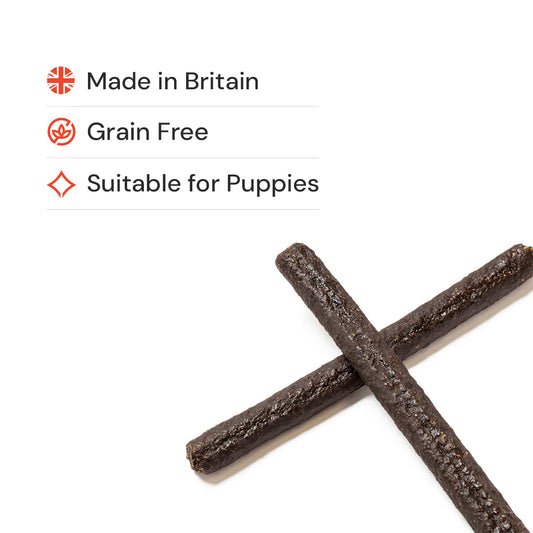
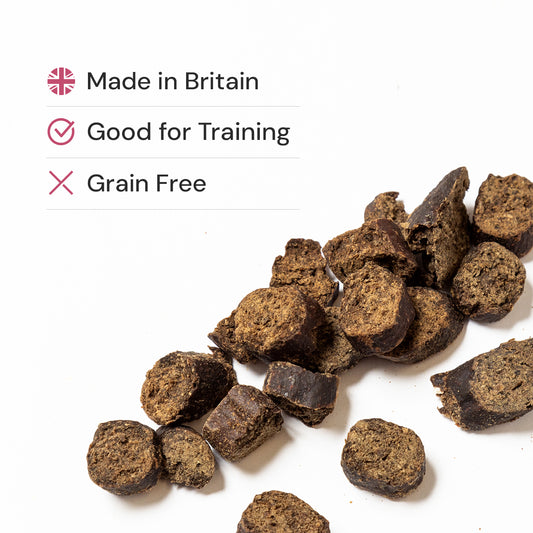
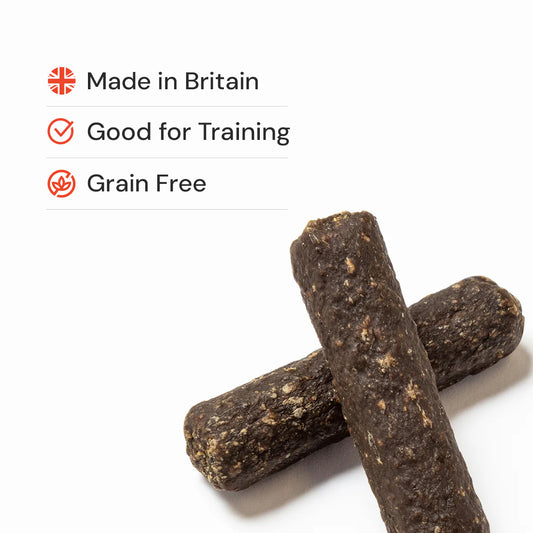
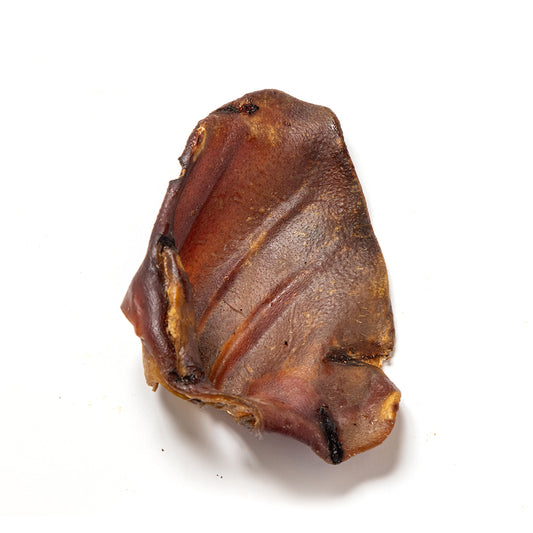
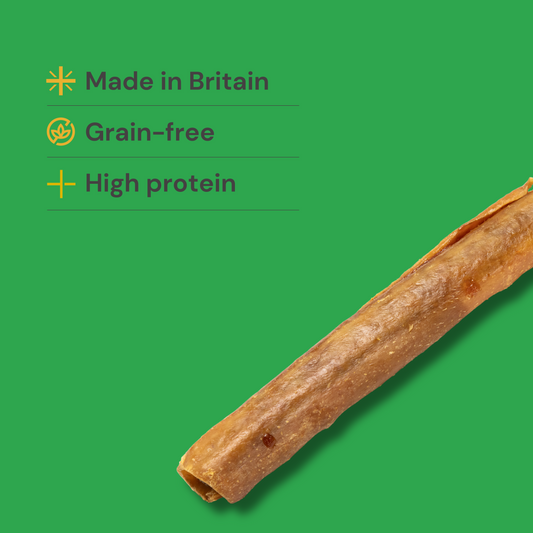
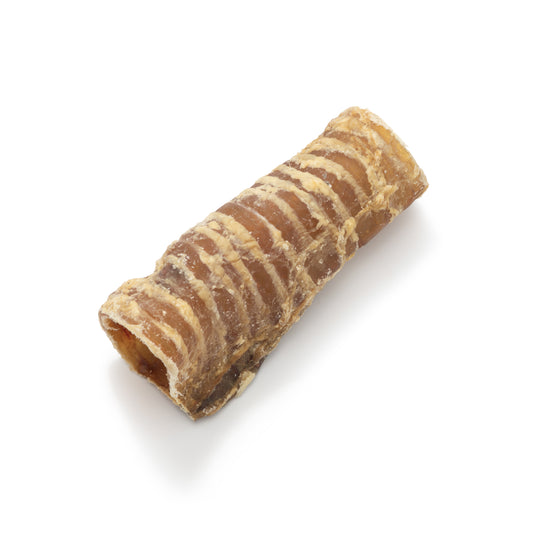
Using natural, high-quality treats allows you to reward good behaviour, support training, and add joy to your dog’s day without compromising their health.
Why natural treats matter:
-
No additives or nasties
-
Easier on sensitive tummies
-
Better for long-term wellbeing
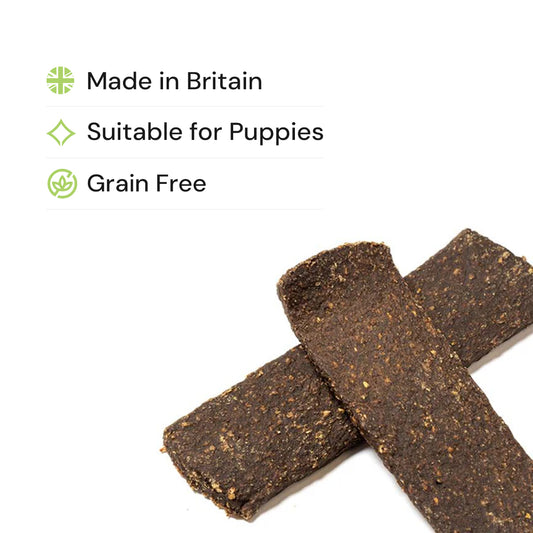
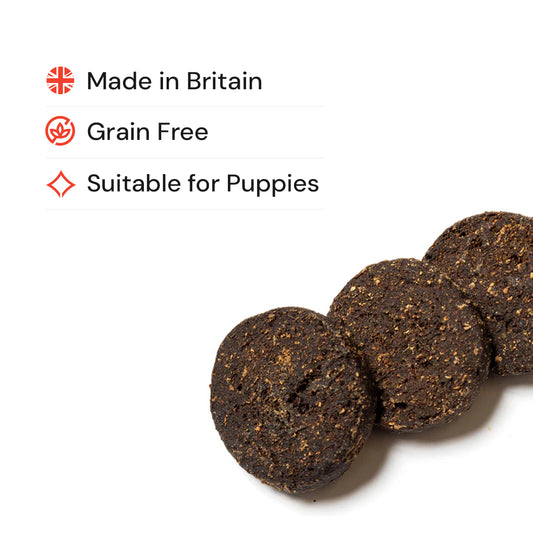
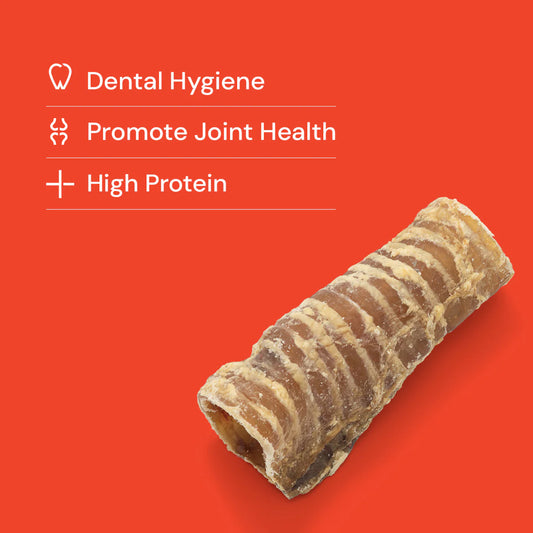
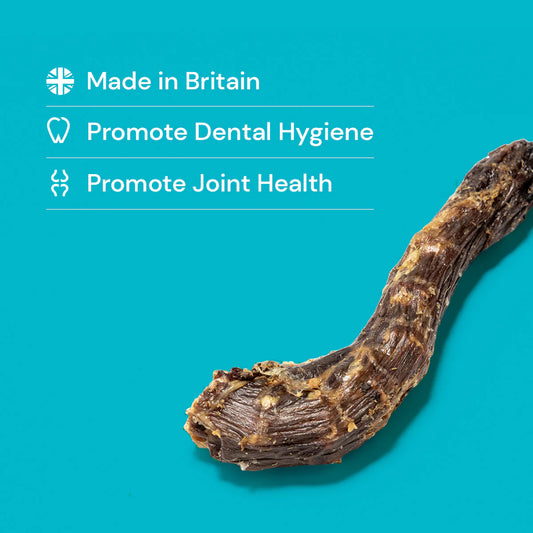
Gourmet Love Bites are a perfect example – crafted with carefully selected natural ingredients, they’re ideal for sharing little moments of love without guilt. Pair them with other natural treats to keep variety exciting while staying aligned with a wholesome diet.

4. Words of Affirmation (It’s All About Tone)
Dogs may not understand every word, but they’re experts in tone, pitch, and emotion. Your voice can reassure, excite, or calm them in seconds.
Your dog feels loved when:
-
You speak in a warm, upbeat tone
-
You calmly reassure them during stressful moments
-
You praise them consistently for good behaviour
Simple phrases like “good girl”, “clever boy”, or “you’re safe” – said with genuine warmth – build confidence and trust over time.
Remember: Calm, positive tones are far more effective than raised voices, even during training.
5. Consistency & Routine: Love Through Predictability
This one often gets overlooked, but for dogs, routine is reassurance. Knowing what to expect helps them feel secure and reduces anxiety.
Ways routine shows love:
-
Regular feeding times with trusted food
-
Consistent walk schedules
-
Familiar bedtime rituals
-
Reliable training cues
Consistency doesn’t mean rigidity – it means showing up in ways your dog can rely on. When life feels predictable, dogs feel safe.

Finding Your Dog’s Love Language
Most dogs respond to more than one love language, but you’ll often notice a clear favourite. Pay attention to what makes your dog light up, relax, or seek more of.
And remember: love is built in the small, everyday moments – a gentle stroke, a shared walk, a kind word, or a thoughtfully chosen natural treat.
By choosing high-quality, natural options and being intentional with your time and care, you’re not just treating your dog – you’re treating them right.